On store shelves, creatine monohydrate is sold in dozens of options: regular and micronised powder, capsules, tablets, chewing candies, "liquid" formulas and complexes with additional ingredients. The active ingredient is the same, but convenience, cost, and even quality can vary greatly. The editors explain what to look for when choosing.
Monohydrate as reference form
Creatine monohydrate is a creatine molecule bound to one water molecule. It contains approximately 88% pure creatine by weight. It is this form that has been used in the vast majority of studies that build the evidence base for strength, muscle mass, and safety.
In recent decades, manufacturers have introduced many alternatives to the market: creatine ethyl ester, buffered creatine, hydrochloride, nitrate, malate, and others. A review by Jäger et al. (2011) reviewed these formulations and concluded that there is no convincing evidence of their superiority over monohydrate, and for some even basic safety data is lacking.
An illustrative example is creatine ethyl ester. In the study of Spillane et al. (2009) it was inferior to monohydrate in its effect on the content of creatine in muscles, and in the solution a significant part of the ester was converted to creatinine. Buffered creatine in a comparative study also showed no benefit.
Therefore, in this article we are talking about different forms of monohydrate release, and not about other chemical compounds. This is the most practical question for the buyer: which package or consistency to choose to get the same effective substance.
Powder: regular and micronised
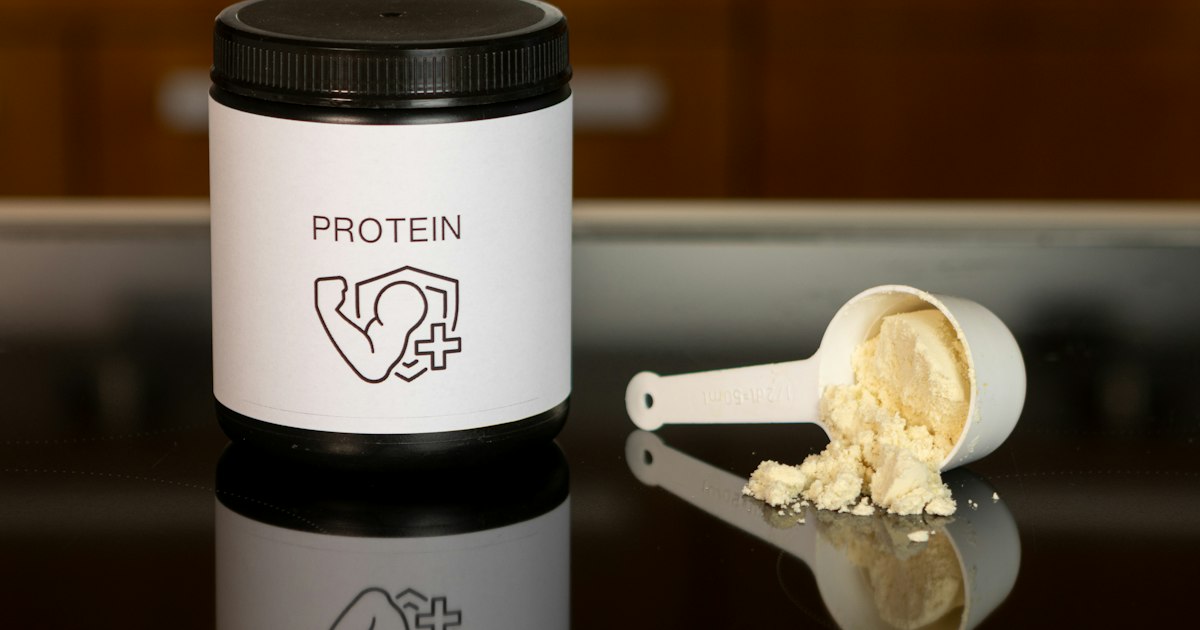
Powder is the most common, cheapest and most flexible form. It is easy to dose with a measuring spoon or on a kitchen scale, add to drinks, protein shakes or yogurt. For long-term daily intake, the price per gram of creatine powder is usually the lowest.
Micronised monohydrate is the same creatine ground into smaller particles. Chemically and in terms of effectiveness, it does not differ from the usual one, but it mixes better and settles less at the bottom of the glass. For people with a sensitive stomach, this may matter: poorly dissolved powder is more likely to cause discomfort.
The disadvantages of the powder are the need to measure the dose each time and carry the container with you. In addition, the tasteless powder has a slight "chalky" aftertaste, although it is hardly noticeable in a sufficient amount of liquid.
Flavored powders are more convenient for those who do not like the neutral taste, but contain sweeteners and colors, and sometimes cost more due to "fillers".
Capsules, tablets, chewable forms and liquids
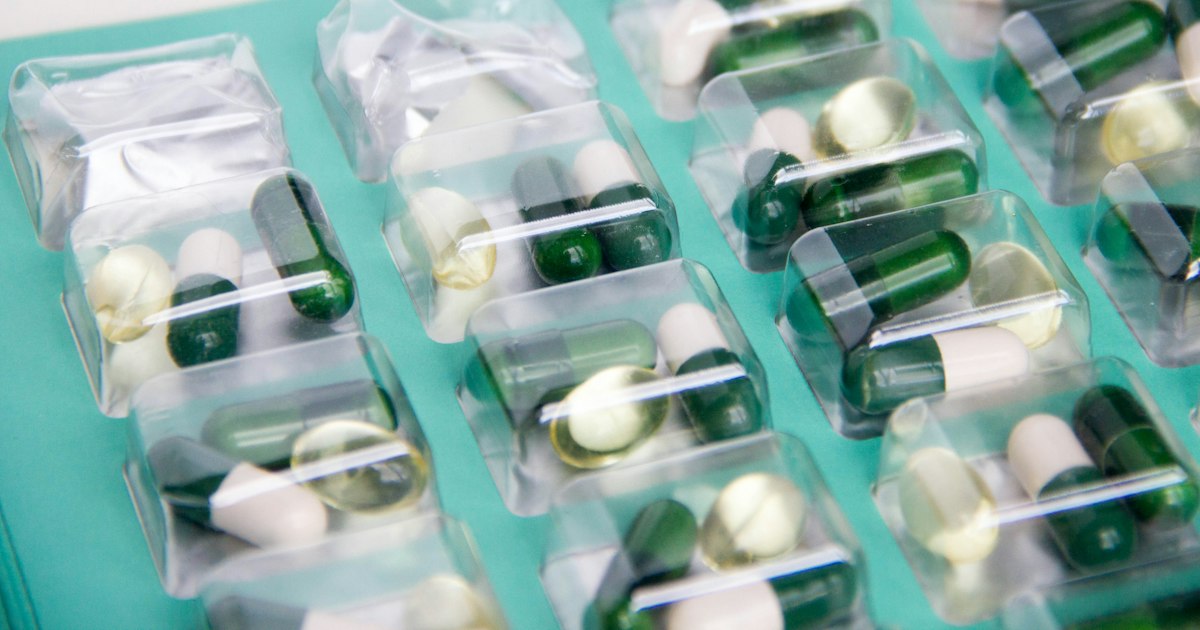
Capsules and tablets are convenient on the go and do not require mixing. Their main drawback is the low content of creatine per unit. For a dose of 3–5 g, it is often necessary to swallow several capsules, and in the loading phase - a lot. The cost per gram of creatine in capsules is usually higher than in powder form.
Chewable tablets and "gums" with creatine have gained popularity in recent years. They are tasty and convenient, but have potential quality risks: independent market reviews have reported products in chewable forms with actual creatine content significantly less than claimed. Therefore, certificates of analysis and independent testing are especially important for these forms.
Liquid ready-made forms of creatine are the most questionable option. In aqueous solution, creatine is gradually converted to creatinine, especially at room temperature and acidic pH. Long-term storage in the solution reduces the content of the active substance, so the editors do not recommend ready-made liquid drinks as the main source of creatine.
Finally, creatine is often included in pre-workout complexes and gainers. The problem with these products is that the dose of creatine per serving may be lower than the effective one, and taking the complex every day just for creatine is impractical.
| Form | Advantages | Disadvantages |
|---|---|---|
| Ordinary powder | The cheapest, flexible dosage | Dissolves less well, you need to measure |
| Micronised powder | Mixes well, milder for the stomach | A little more expensive |
| Capsules / tablets | Convenient on the go, tasteless | Many capsules per dose, higher price |
| Chewable forms | Tasty, convenient | Risk of low content, sugar/sweeteners |
| Ready-to-drink liquids | No preparation required | Instability of creatine in solution |
| Multi-ingredient products | "All in one" | Often insufficient dose of creatine |
Quality of raw materials and marking
For monohydrate, the key quality factor is the purity of the raw material. During the production of creatine, by-products of the synthesis can be formed, including creatinine, dicyandiamide and dihydrotriazine. Quality manufacturers control their content and provide certificates of analysis.
There are branded raw materials on the market, such as Creapure, made in Germany. The marking of such raw materials on the package does not in itself guarantee the quality of the final product, but it indicates that the manufacturer uses raw materials of known origin and control.
Athletes undergoing doping control are advised by the editors to pay attention to independent testing programs such as Informed Sport or NSF Certified for Sport. They check batches of products for the presence of prohibited substances. The 2018 IOC consensus emphasizes that additive contamination is a real risk of a positive doping test.
When reading the label, check:
- that the active substance is indicated precisely as "creatine monohydrate";
- amount of creatine per serving in grams (not just "branded mix");
- absence of stimulants and "proprietary matrices" without disclosing the composition;
- availability of a certificate of analysis or independent testing of the lot;
- expiration date and storage conditions.
How to choose: editorial algorithm
For most people, the best choice is flavorless creatine monohydrate powder, preferably micronised, from a manufacturer with transparent information about the raw materials. It is a combination of the best value for money and provenance.
If you are often on the road or do not like to prepare drinks, capsules will be a reasonable compromise, but it is worth calculating the cost per gram and the number of capsules per daily dose. Chewable forms are an option for those who value palatability, provided that there is independent confirmation of the content.
Athletes subject to doping control should choose only certified products regardless of form. Even if creatine isn't banned, supplement contamination can cost you a career.
Store creatine in a cool, dry place, tightly closed. The monohydrate powder is stable for years when dry, but moisture may cause caking.
Editorial conclusions
Regardless of the packaging, creatine monohydrate remains the effective substance — it has the largest evidence base. Alternative chemical forms have not proven superior to it.
Powder, especially micronised, is the most profitable and flexible option; capsules are convenient on the go, chewable forms require special attention to check the contents, and ready-made liquid drinks are the least reliable due to the instability of creatine in water.
Raw material quality and independent testing weigh more than marketing names.
We advise you to also read "How to take Creatine monohydrate: dosage, time of administration, duration", "Myths about Creatine monohydrate" and "Side effects of Creatine monohydrate".
List of used literature
- Jäger R, Purpura M, Shao A, et al. Analysis of the efficacy, safety, and regulatory status of novel forms of creatine. Amino Acids. 2011;40(5):1369â1383.
- Spillane M, Schoch R, Cooke M, et al. The effects of creatine ethyl ester supplementation combined with heavy resistance training on body composition, muscle performance, and serum and muscle creatine levels. J Int Soc Sports Nutr. 2009;6:6.
- Jagim AR, Oliver JM, Sanchez A, et al. A buffered form of creatine does not promote greater changes in muscle creatine content, body composition, or training adaptations than creatine monohydrate. J Int Soc Sports Nutr. 2012;9(1):43.
- Kreider RB, Kalman DS, Antonio J, et al. International Society of Sports Nutrition position stand: safety and efficacy of creatine supplementation in exercise, sport, and medicine. J Int Soc Sports Nutr. 2017;14:18.
- Maughan RJ, Burke LM, Dvorak J, et al. IOC consensus statement: dietary supplements and the high-performance athlete. Br J Sports Med. 2018;52(7):439â455.