Most people are familiar with taurine from energy drink labels, but it has much more important roles in the body than just "boosting." The editors explain what taurine is, how it is formed, where it is found, and what mechanisms of its action are confirmed by science.
What is taurine from a chemical point of view
Taurine (2-aminoethanesulfonic acid) is a small organic molecule often called an amino acid. Formally, this is not entirely true: unlike classic amino acids, taurine does not contain a carboxyl group, but a sulfone group. Because of this, it is not part of proteins and is not used to build muscle fibres.
The name comes from the Latin taurus - "bull": the substance was first isolated from bull bile in the first half of the 19th century. Hence the popular myth about "taurine from bovine glands" in energy drinks. In fact, modern taurine for the food industry is obtained by chemical synthesis, and it is identical to what is produced in the human body.
Taurine belongs to the most common free amino acids in mammalian tissues. Especially high concentrations of it were found in skeletal muscles, heart, retina, brain and leukocytes. According to estimates, the body of an adult contains several tens of grams of taurine, and the majority of it is in muscle tissue.
Huxtable's (1992) classic review in Physiological Reviews describes taurine as a substance with an extremely wide range of physiological functions, from digestion to heart rate regulation. It is this versatility that made it attractive to manufacturers of sports nutrition and energy experts.
Where does the body get taurine
Taurine is considered a conditionally irreplaceable substance. An adult is able to synthesize it independently, mainly in the liver, from the sulfur-containing amino acids methionine and cysteine. The key pathway goes through cysteine sulfinic acid with the participation of the enzymes cysteine dioxygenase and cysteine sulfinate decarboxylase, and vitamin B6 is required for the reactions.
Human synthesis is relatively small, so we get a significant part of taurine with food. The main sources are meat, fish, seafood (especially shellfish), poultry. There is practically no taurine in plant foods, so vegans have a minimal supply of taurine in their diet, although their own synthesis usually prevents clinical deficiency.
Newborns have a limited ability to synthesize taurine, so it is added to infant formula. This is one of the most convincing arguments in favor of the fact that in certain periods of life taurine becomes indispensable.
The kidneys regulate the level of taurine in the body: when the intake is high, the excess is excreted in the urine, and when it is low, reabsorption increases. This regulation explains why taurine is considered a substance with a wide range of safety.
| Source | Taurine content | Comment |
|---|---|---|
| Shellfish, seafood | High | The richest food sources |
| Dark poultry meat, fish | Medium–high | A noticeable contribution to the diet |
| Beef, pork | Medium | Depends on the part of the carcass |
| Dairy products | Low | Small contribution |
| Plant foods | Virtually absent | Important for vegans |
| Energy drinks | Usually about 1 g per 250 ml | Synthetic taurine |
Basic functions in the body
The first and oldest known function of taurine is participation in digestion. In the liver, it conjugates with bile acids, forming taurochole and other taurine conjugates. Such compounds better emulsify fats in the intestines, which is important for the assimilation of fats and fat-soluble vitamins.
The second function is osmoregulation. Taurine is one of the main organic osmolytes: cells accumulate or excrete it to maintain volume when the concentration of salts around changes. This is especially important for muscle, kidney and brain cells, which are constantly subjected to osmotic loads.
The third is calcium regulation. Taurine affects the exchange of calcium in the sarcoplasmic reticulum of muscle cells and, accordingly, the contraction process. This property is the basis of hypotheses about the influence of taurine on muscle function and heart muscle.
The fourth is protection of cells from oxidative stress. Taurine is not a classic "trap" of free radicals, but helps to stabilize membranes and supports the work of mitochondria, in particular through the modification of mitochondrial transport RNAs. Finally, in the brain, taurine acts as a neuromodulator by interacting with GABA and glycine receptors, which explains its sedative properties.
How taurine is related to physical activity
Skeletal muscles are the main "depot" of taurine in the body. Animal studies have shown that mice with the taurine transporter gene disabled have reduced taurine concentration in muscles and poorer physical endurance. This became one of the impetuses for the study of taurine as a sports supplement.
During prolonged exercise, some taurine can leave the muscle cells, and scientists have suggested that taking a supplement will help maintain its stores, improve the functioning of the calcium system and reduce oxidative damage. However, in humans, taking taurine does not necessarily increase its content in muscles: in a study by Galloway et al. (2008), seven days of intake did not change the concentration of taurine in muscle tissue.
Despite this, a number of studies record certain effects on endurance, fat oxidation or the feeling of fatigue. A meta-analysis by Waldron et al. (2018) found a small positive effect of taurine on endurance performance. The editors will tell you more about the evidence base in a separate article.
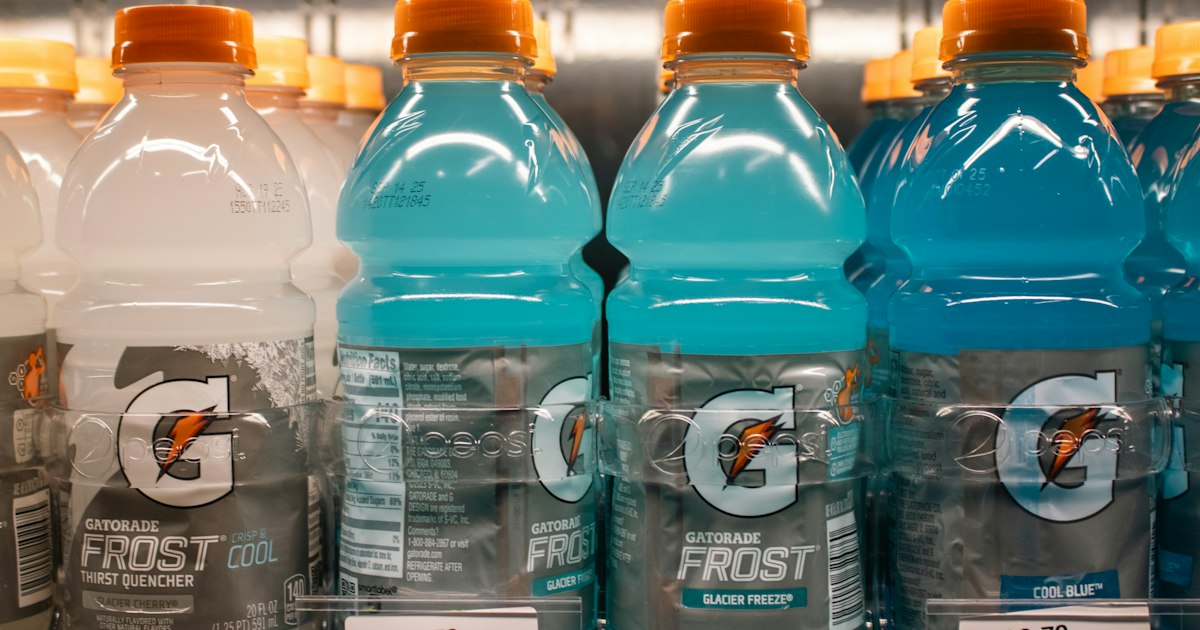
It is also important to consider the context of energy drinks: taurine is combined there with caffeine and sugar, so the effects of such drinks cannot be attributed to taurine alone.
- Taurine is not the "building material" of muscles.
- It affects calcium regulation and cell volume.
- The supplement does not always increase the taurine content in human muscles.
- Effects on endurance, according to meta-analysis, are small.
Taurine and aging: new evidence and caution
In 2023, a notable publication by Singh and co-authors "Taurine deficiency as a driver of aging" was published in the journal Science. The authors showed that blood taurine levels decrease with age in several species, and its intake extended the lifespan of mice and improved a number of health indicators in animals.
This work sparked a wave of interest in taurine as a "longevity supplement." However, the editorial calls for caution: animal results cannot be automatically transferred to humans. Observational data on people in the same work were associative in nature and do not prove a causal relationship.
It is also important that in experiments on animals, doses were used that, when calculated on body weight, significantly exceed the usual human consumption. The safety and feasibility of such amounts in humans have not been studied in controlled studies for a long time.
Thus, to date, taurine remains a substance with well-studied physiology, moderate evidence in sports, and promising but untested human aging hypotheses.
Editorial conclusions
Taurine is a sulfur-containing organic acid that is not part of proteins, but performs many regulatory functions: from the conjugation of bile acids to the control of cell volume, calcium metabolism, and neuromodulation.
The body synthesizes taurine itself and receives it from products of animal origin; it is conditionally irreplaceable for newborns. Taurine in energy supplements and supplements is synthetic and has no relation to "bovine" sources.
Interest in taurine in sports is physiologically based, but practical effects are modest, and data on aging are so far limited to animal models.
To continue the topic, we advise you to read our materials "Benefits of Taurine for athletes: the evidence base", "Side effects of Taurine" and "How to take Taurine: dosage, time of administration, duration".
List of used literature
- Huxtable RJ. Physiological actions of taurine. Physiol Rev. 1992;72(1):101â163.
- Schaffer SW, Kim HW. Effects and mechanisms of taurine as a therapeutic agent. Biomol Ther (Seoul). 2018;26(3):225â241.
- Kurtz JA, VanDusseldorp TA, Doyle JA, Otis JS. Taurine in sports and exercise. J Int Soc Sports Nutr. 2021;18(1):39.
- Waldron M, Patterson SD, Tallent J, Jeffries O. The effects of an oral taurine dose and supplementation period on endurance exercise performance in humans: a meta-analysis. Sports Med. 2018;48(5):1247â1253.
- Galloway SD, Talanian JL, Shoveller AK, Heigenhauser GJ, Spriet LL. Seven days of oral taurine supplementation does not increase muscle taurine content or alter substrate metabolism during prolonged exercise in humans. J Appl Physiol. 2008;105(2):643â651.
- Singh P, Gollapalli K, Mangiola S, et al. Taurine deficiency as a driver of aging. Science. 2023;380(6649):eabn9257.
- EFSA Panel on Food Additives and Nutrient Sources added to Food (ANS). The use of taurine and D-glucurono-γ-lactone as constituents of the so-called âenergyâ drinks. EFSA J. 2009;7(2):935.